
What Autumn Can Tell You About Your Workplace Design
Autumn has a way of revealing things about the workplace that can easily go unnoticed in summer.
Shorter days, shifting temperatures and more time spent indoors have a way of showing what works, and what doesn't.
The desk that was flooded with daylight in June might feel noticeably darker. A breakout space people gravitated towards all summer might suddenly sit empty. And, inevitably, the familiar debate over whether the office is too hot or too cold begins again.
But these aren't simply seasonal annoyances. They can tell you something useful about how well your workplace is actually working.
So, rather than looking at the latest autumn office design trends, we're asking a more useful question: what can the changing seasons teach us about better workplace design?
Here are four things worth paying attention to.
1. Workplace lighting: see your office in a different light
One of the most noticeable changes as we move into autumn is daylight. But while we notice darker mornings and evenings outside, it's easy to overlook what changing daylight is doing inside the office.
As the availability and direction of natural light changes, areas deeper within the office can become more dependent on artificial lighting. Glare can appear at different times of day, while spaces that felt bright and inviting throughout summer can begin to feel noticeably different.
And workplace lighting isn't simply an aesthetic consideration. A 2025 study published in the Journal of Environmental Psychology found that different lighting conditions can have different effects on how we feel and perform. Warmer, dimmer lighting was associated with reduced stress, while cooler lighting supported cognitive performance.
In other words, the answer isn't simply to make everything brighter.
Effective workplace lighting considers how natural daylight, ambient lighting and task lighting work together. Different spaces, activities and people can benefit from different conditions.
Sometimes, the challenge is working with very little natural light in the first place. At Northeastern University's Vine Street Incubator, an 8,000 sq ft basement with low ceilings and limited daylight meant artificial lighting had to work much harder. A considered lighting scheme, combined with planting, helped turn those constraints into a fresh, energetic environment full of light and life.

It's a useful reminder that good workplace lighting isn't dependent on perfect natural conditions. It's about understanding the space you have and designing intelligently around it.
Put your workplace to the test:
Walk through the office first thing in the morning, at lunchtime and towards the end of the day. Which areas change most? Where does artificial lighting take over first? Where does glare appear? And, importantly, where are people actually choosing to sit?
You might notice more than you expect.
2. Workplace comfort: the temperature debate is telling you something
Then there's the great office thermostat debate.
Someone's too hot. Someone's too cold. And someone has quietly put their coat back on.
There may never be a temperature that keeps everybody happy, because workplace comfort isn't one-size-fits-all.
And it isn't just about temperature. Lighting, noise, air quality, draughts, furniture and the level of choice or control people have over their surroundings can all influence their experience at work.
A 2025 study published in Building and Environment, involving 277 workers across 30 open-plan offices, looked at multiple aspects of the indoor environment, including temperature, air quality, lighting and noise. It found that higher CO₂ and noise levels, as well as temperatures outside the comfortable range, were associated with lower self-reported productivity.
For workplace design, there's an important principle here: rather than expecting one environment to work equally well for everybody, give people options. That could mean somewhere quieter for focused work, a relaxed setting for an informal conversation, space to collaborate or somewhere comfortable to step away from the desk.
It's an approach reflected across the different workplace settings we've created. At Level 7 of The Shard, an 8,000 sq ft fit-out gave our client greater capacity within its new workplace, with different settings supporting different ways of working.
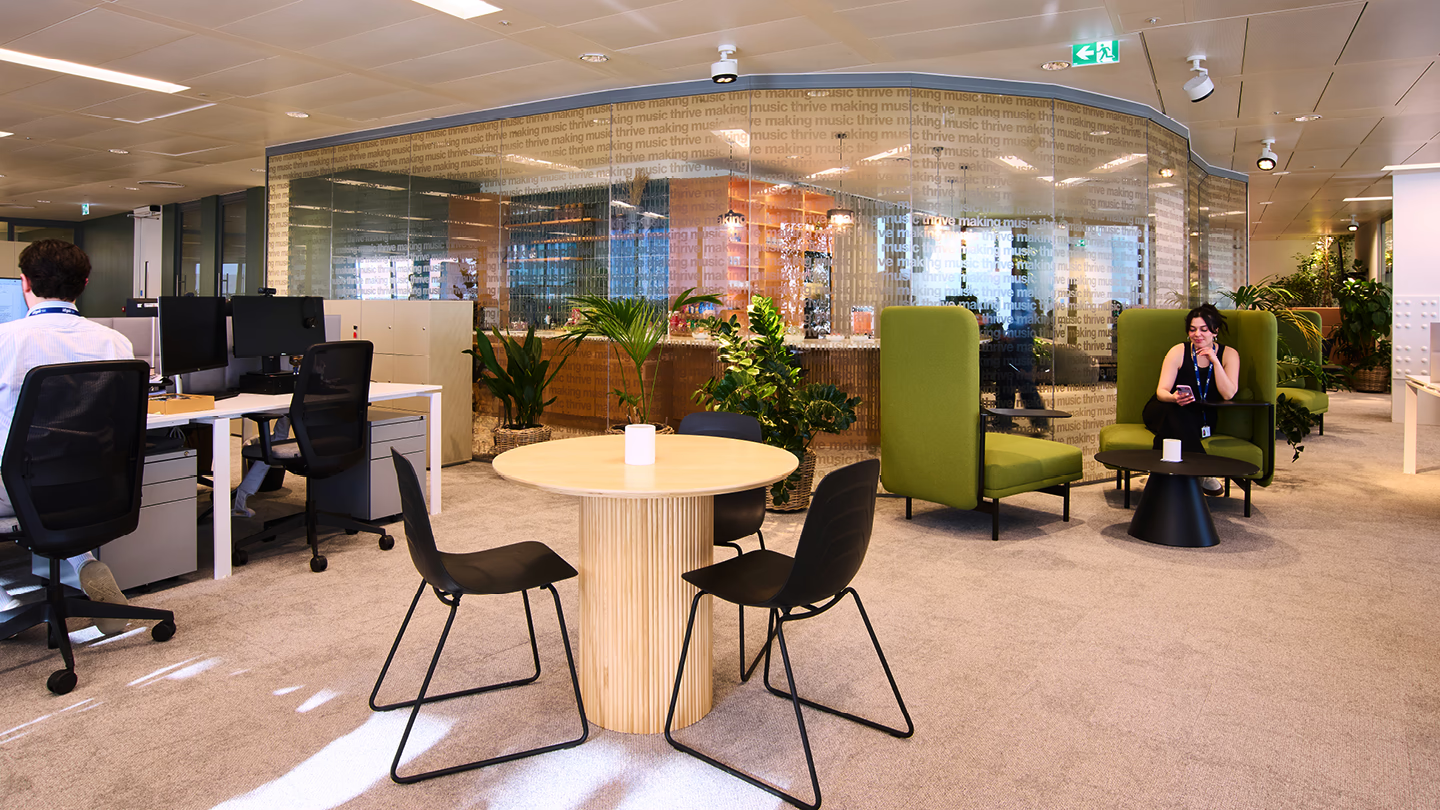
Choice isn't about filling an office with as many different types of furniture or rooms as possible. It's about giving people somewhere appropriate to go when their current environment isn't right for what they need to do.
Put your workplace to the test:
Take a look at how your spaces are being used. Which areas are always occupied, and which regularly sit empty? Where do people go when they need to focus, collaborate or step away from their desk? If the right setting doesn't exist, could an underused area, different furniture or better acoustic separation create it?
3. Office space utilisation: watch where people go, and where they don't.
Some of the most useful workplace data isn't found in a spreadsheet. It's happening around you every day. As autumn changes the conditions inside your office, pay attention to how people's behaviour changes with it. Do seats near windows become more popular? Are breakout areas busier? Is one meeting room constantly occupied while another sits empty?
These patterns can tell you a lot. If people consistently choose one space over another, consider what's different. Is it better natural light, more privacy, greater comfort or simply a space that feels good to spend time in.
Designing flexibility into a workplace can help spaces adapt as needs change, and sometimes, the solution can be as simple as a sliding wall. By allowing meeting rooms to open into the wider workplace, the team at Morr & Co's Mansel Court can use the same space for client meetings, partner visits, team sessions and social events.
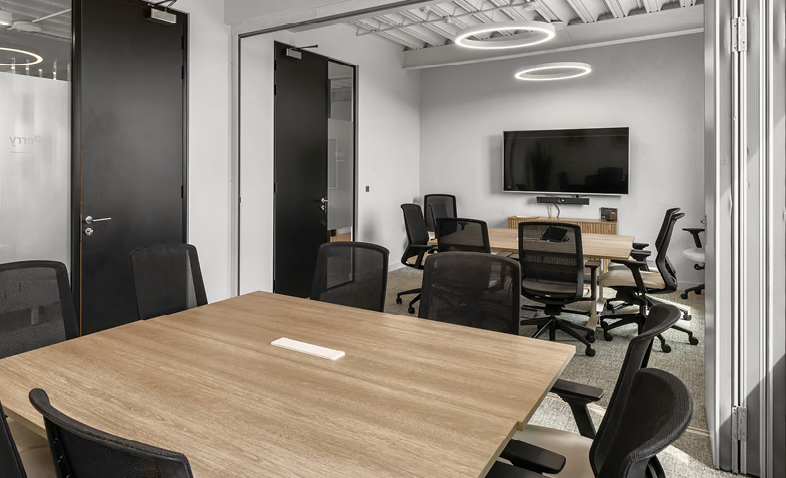
It's a relatively simple idea with a bigger purpose: the workplace isn't locked into one way of being used. Because successful office design isn't only about creating spaces that look good. People have to want to use them.
Put your workplace to the test:
Pick three different spaces in your office and keep an eye on them over the course of a week. Which are consistently busy, and which regularly sit empty? Then ask why. Look beyond the purpose of the space and consider what the popular areas have in common. The answer could reveal what your people actually value from their workplace.
4. Workplace wellbeing: warmth is more than an autumn colour palette
Search for autumn interiors and you'll quickly find burnt orange, deep green and brown.
There's nothing wrong with any of them. But creating a workplace that feels comfortable as the seasons change doesn't mean redecorating it for autumn.
Warmth is as much about atmosphere as colour.
Natural materials, tactile fabrics, timber, planting, softer furniture and layered lighting can all shape how a workplace feels without tying the design to a particular season. For the teams working at George House on Borough High Street, that comes through in the combination of natural light, cork flooring, darker timbers and textured upholstery. This creates a workplace that feels warm and inviting without relying on a seasonal palette.

None of those elements exist because they're 'autumnal'. Together, they create the kind of tactile, comfortable environment that can continue to feel inviting as the conditions outside change.
And that's an important distinction.
Trends change. Seasons change. A workplace needs to keep performing through all of them.
The better question isn't, 'How do we make our office feel more autumnal?' It's 'How do we create a workplace people want to spend time in throughout the year?'
Put your workplace to the test:
Forget how your workplace looks for a moment. How does it feel to spend time there? Which spaces naturally invite people to settle in, and which feel less welcoming? Consider what's creating that atmosphere. Is it the lighting, materials, furniture, planting, or a combination of them?
Workplace design FAQs
How does office design affect employee wellbeing?
Workplace design can influence people's experience of natural and artificial light, noise, thermal comfort, air quality, privacy and their ability to choose an appropriate environment for different tasks. Considering these elements together can help create a more comfortable and effective working environment.
Why is natural light important in workplace design?
Natural light influences how people experience an office and their exposure to light throughout the working day. A considered workplace lighting strategy makes the most of available daylight while balancing it with ambient, artificial and task lighting as conditions change.
How can you make an office feel warmer in autumn?
Think beyond seasonal colours. Layered lighting, natural materials, tactile fabrics, planting, acoustic finishes and comfortable furniture can introduce warmth through atmosphere while continuing to work throughout the year.
How can businesses tell if their office design is working?
Start by observing how people actually use the workplace. Look at which spaces are consistently busy or underused, recurring feedback around comfort, noise or lighting, and whether employees have appropriate settings for focused work, collaboration, meetings and breaks. Those patterns can help identify what's working – and where the workplace may need to adapt.
Does improving a workplace always require a full office refurbishment?
No. Sometimes relatively small interventions can make an existing workplace work harder, from changing furniture settings and improving lighting to addressing acoustics or repurposing an underused area. The right solution starts with understanding why a space isn't performing before deciding what needs to change.