
Talk about the future of work and the conversation usually heads straight for technology - AI, automation, hybrid models. But the biggest shift we’re seeing is far more human.
People think, work and experience their surroundings differently, and the best workplaces have stopped pretending otherwise. They’re moving away from one-size-fits-all environments towards design that’s inclusive, flexible and built around real people.
This isn’t just changing how offices look. It’s changing how they perform. And it’s fast becoming the defining feature of the workplace of the future.
The Workplace Was Never Designed for Everyone
For decades, workplace design ran on a simple assumption: if a space worked for most people, it worked. Rows of desks, open-plan layouts, standardised workstations - a one-size-fits-all approach to productivity. The trouble is, work has never been one size fits all.
Some people do their best thinking in silence. Others come alive around energy and conversation. Some need to disappear into a complex task for hours; others spend their day collaborating, learning and solving problems on the move. Today’s workforce is more varied than ever - not just in background and experience, but in how people think, process information and do their best work.
The role of the office has changed too. For many organisations, it’s no longer somewhere people come because they have to. It’s somewhere they choose to come, because it offers experiences and connections they can’t find anywhere else. And that changes everything about what makes a workplace work.
Why Choice Has Become the New Workplace Currency
One of the biggest changes in workplace design lately is the move from standardisation to choice. Rather than expecting people to sit in the same spot all day, organisations are building a range of spaces that suit different tasks and different working styles.
The logic is simple: work changes through the day. Someone might spend the morning heads-down on a report, move into a collaborative workshop after lunch, then finish on video calls with colleagues three time zones away. Each of those needs a different setting.
Recent research from Leesman keeps making the same point - great workplaces support a broad spread of activities, from deep focus through to collaboration, learning and social connection. The most effective ones give people genuine options:
- Quiet focus areas
- Collaboration spaces
- Project rooms
- Informal meeting areas
- Social hubs
- Private booths
- Hybrid meeting environments
The goal isn’t more space. It’s more choice. And choice is fast becoming one of the clearest signs of a workplace worth coming into.
Inclusive Design Is Not About Designing for the Few
There’s a common myth about inclusive design: that it only helps a specific group of people. The opposite is true. Most of the features we associate with accessibility, wellbeing and neurodiversity make work better for everyone.
Take acoustics. The WELL Building Standard names acoustic comfort as a key driver of wellbeing and performance, because noise and distraction steadily chip away at concentration and cognitive function - there’s a clear overview of the principles in this summary of acoustic comfort within the WELL Building Standard. People who are more sensitive to sensory stimuli feel the impact most. But almost nobody performs better in a noisy room.
The same goes for lighting, air quality, ergonomics and how easily people find their way around. Remove the barriers, make a space easier to use, and everyone gains. So inclusive design isn’t a specialist add-on. It’s a performance strategy.
Designing for Neurodiversity Means Designing More Thoughtfully
Awareness of neurodiversity at work has grown fast. Research from Neurodiversity in Business and Birkbeck, University of London points to the value of workplaces that recognise different communication styles, processing preferences and ways of working.
Here’s the misconception worth clearing up: designing for neurodiversity doesn’t mean building separate, specialist spaces. Usually it’s simpler than that - better design that benefits everyone. In practice, that might mean:
- Acoustic separation between busy and quiet areas
- Sensory zoning across the floor
- Focus rooms and retreat spaces
- Consistent, controllable lighting
- Clear wayfinding and navigation
- Less visual clutter
These reduce cognitive overload, sharpen concentration and make spaces more comfortable to be in. And they help people who’d never describe themselves as neurodivergent just as much. The result is a workplace that feels more adaptable, more supportive and more effective for far more people.

What We’re Seeing Across Today’s Workplaces
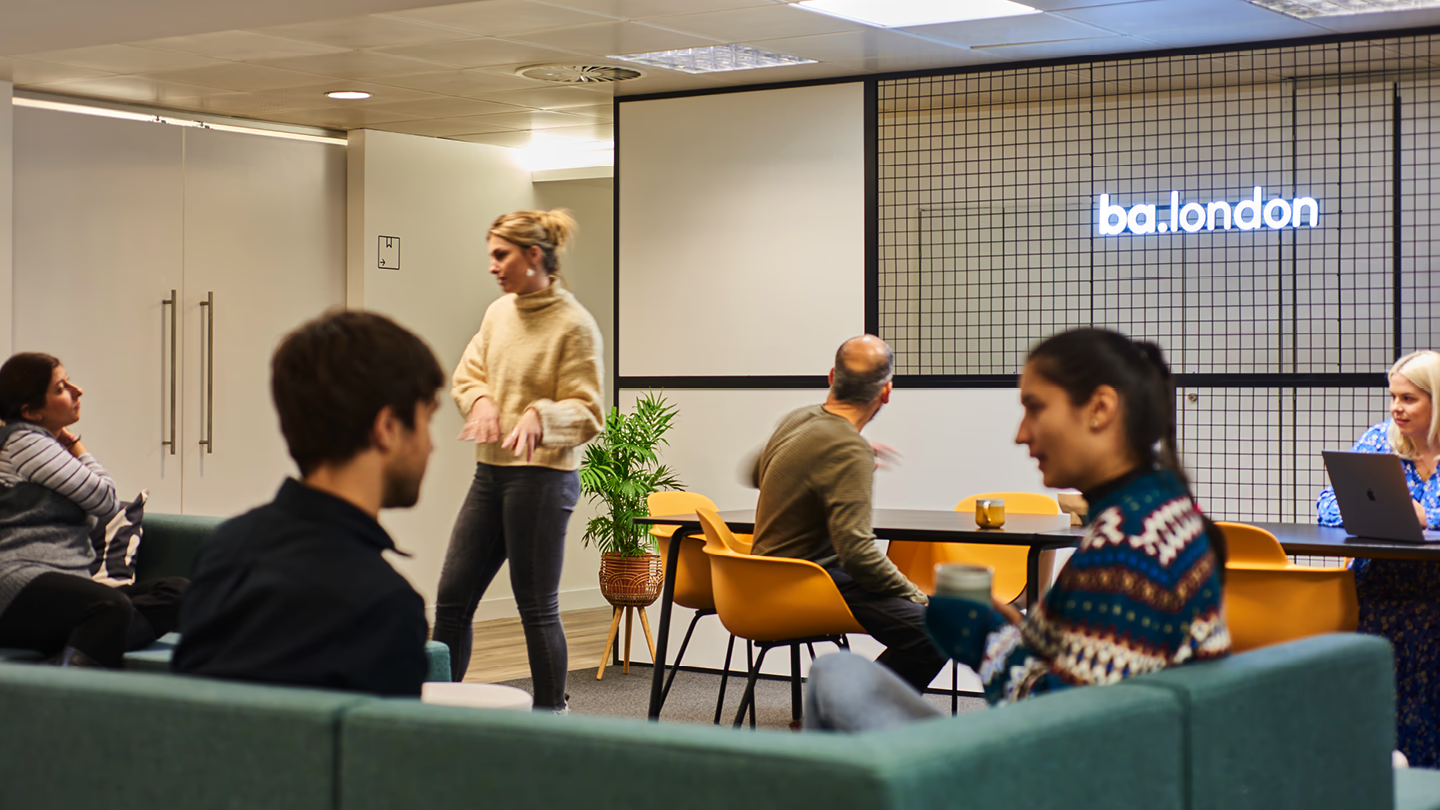
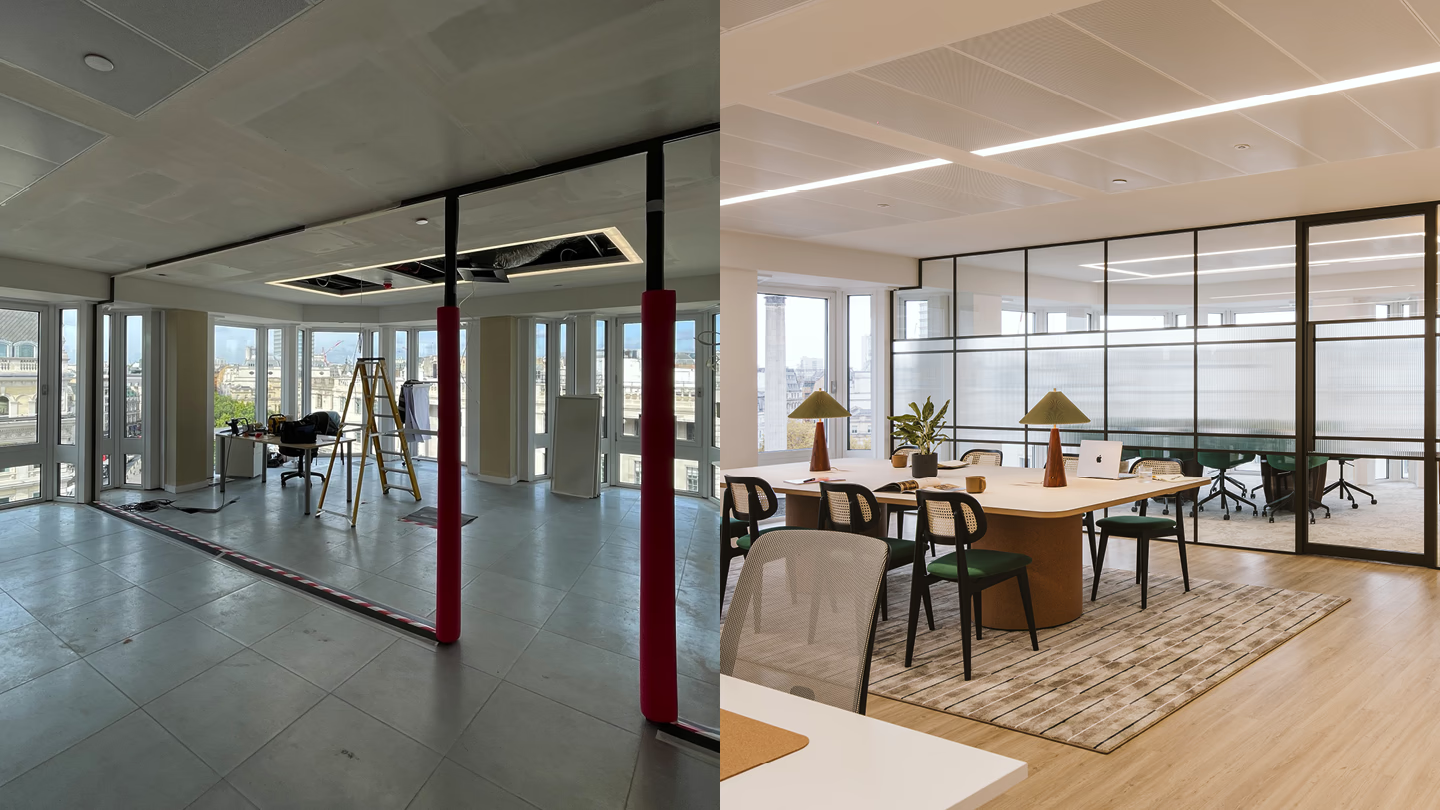
Across our projects, we’re helping organisations move away from rows of identical desks towards a richer mix of settings - focus booths, quiet libraries, enclosed project rooms, hospitality-inspired lounges and flexible collaboration zones.
This isn’t trend-chasing. It’s a response to what people now expect. They want spaces that flex with their day. They want a say in where and how they work. And they expect somewhere that looks after their wellbeing as well as their output.
Organisations are realising you can’t measure a workplace on occupancy alone - what matters is whether people can do their best work there. The most successful spaces aren’t built around one type of employee. They’re built around the simple truth that everyone works differently.
The Link Between Inclusive Design and Business Performance
Inclusive design tends to get framed as a wellbeing story. Wellbeing matters - but don’t overlook the commercial case.
The CIPD’s latest Health and Wellbeing at Work Report keeps showing the strong link between employee wellbeing, engagement and how a business performs. Deloitte’s Gen Z and Millennial Survey points the same way, with wellbeing, inclusion and values weighing heavily on where people choose to work - and whether they stay.
For employers, that makes workplace design far more than a property decision. It’s a people strategy, shaping culture, engagement, recruitment, retention and performance. Build a workplace that works for more people, and you’ve built a competitive advantage.
Why Inclusive Design Is Shaping the Future of Work
The future workplace won’t be defined by one layout, one trend or the latest piece of technology. It’ll be defined by how well it supports people.
As expectations shift, working patterns evolve and the competition for talent intensifies, the workplaces that win will be the ones that embrace human diversity rather than try to flatten it. There’s no single solution that works for every employee - and there shouldn’t be.
The best workplaces offer choice, flexibility and a real sense of belonging. They make room for different personalities, different tasks and different ways of thinking.
Inclusive design was never about designing for a minority. It’s about recognising that every workforce is diverse, and creating places where more people can thrive. Design a workplace that works for everyone, and it’ll perform better for everyone too.