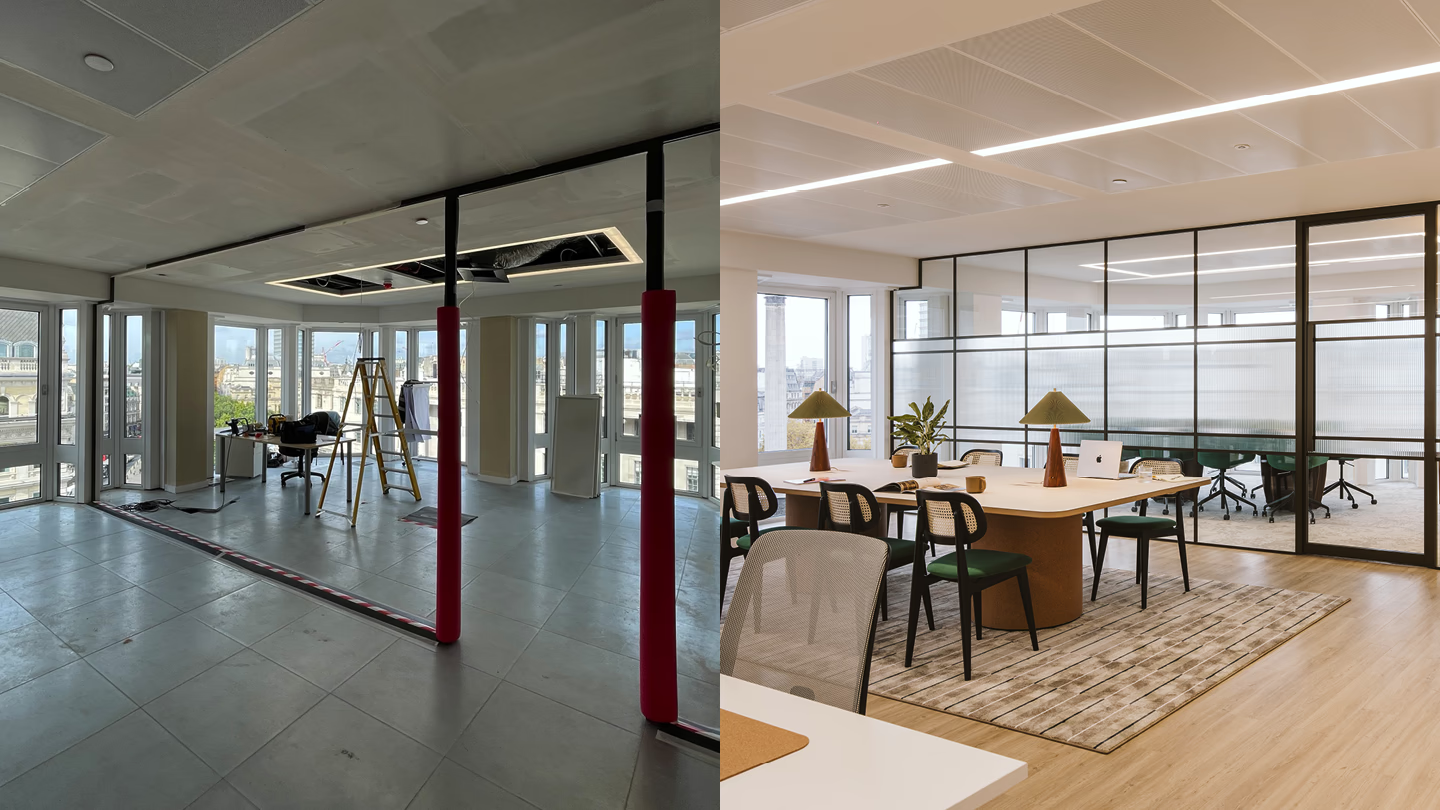

Sustainability has gone from nice-to-have to non-negotiable in workplace design. What was once a desirable extra is now a core requirement for occupiers, landlords and investors alike - shaping leasing decisions, employee expectations and ESG commitments.
But it’s widely misunderstood. Plenty of organisations equate sustainability with expensive technology, exotic materials or a maze of certifications. In reality, some of the most effective measures are also the most practical - and the most commercially sound.
The best sustainable workplaces aren’t just designed to tread lightly. They’re designed to perform better, last longer and deliver more value over time.
The Most Sustainable Workplace Is the One You Already Have
When people think about sustainability, they tend to focus on what they can add. The more useful question is what you can keep.
Guidance from the UK Green Building Council makes the point well: one of the most effective ways to cut a project’s impact is to embrace circular-economy thinking and retain existing assets wherever you can. Extend the life of what’s already in use and you slash waste - while dodging the carbon baked into making and shipping replacements. That might mean keeping:
- Furniture
- Partitions
- Flooring systems
- Ceilings
- Joinery
- Lighting infrastructure
More often than people expect, refurbishing and reusing beats swapping things out for new - even products marketed as the sustainable choice. The most sustainable solution isn’t always a new one.
Understanding the Impact of Embodied Carbon
For years, sustainability talk centred on operational energy - how much a building uses once it’s up and running. Now the spotlight is turning to embodied carbon: the emissions tied up in manufacturing, transporting and installing materials and products.
The LETI Embodied Carbon Primer sets out why this matters across the built environment. For a workplace project, it means making smart calls on material selection, procurement and reuse from the very first design conversations - not as an afterthought.
Cutting embodied carbon doesn’t mean compromising on quality or looks. It means specifying with more thought. And for a deeper view of whole-life carbon impacts, guidance from RICS is increasingly shaping best practice across the industry.
Design for Adaptability Rather Than Obsolescence
Workplaces never stand still. Hybrid working, new technology and shifting business priorities mean what you need today could look very different in five years’ time. So a sustainable workplace has to be built to adapt.
Flexible furniture systems, modular layouts and demountable partitions let you respond to change without ripping everything out and starting again. Designing for adaptability stretches the life of the space and heads off future waste. That’s not just a sustainability strategy - it’s a business one.
Make Better Material Choices
Material selection is one of the most powerful levers in sustainable design. Beyond how something looks and performs, it’s worth weighing:
- Recycled content
- Responsible sourcing
- Durability
- Recyclability
- Manufacturing impact
- Product lifespan
The aim isn’t to chase the newest or most fashionable finish. It’s to choose products that go the distance while keeping their environmental impact low. The best sustainability decisions are rarely the ones you can see - they’re built quietly into the choices made along the way.
Reduce Energy Demand Through Smarter Design
Embodied carbon may be having its moment, but operational performance still counts. A handful of straightforward moves can make a real dent in how much energy a workplace uses:
- LED lighting
- Occupancy controls
- Efficient HVAC systems
- Smart building technologies
- Better zoning strategies
Use less energy and you support your sustainability targets and your running costs at the same time. With energy prices where they are, those two goals are pulling in the same direction more than ever.
Sustainability and Employee Experience Are Closely Connected
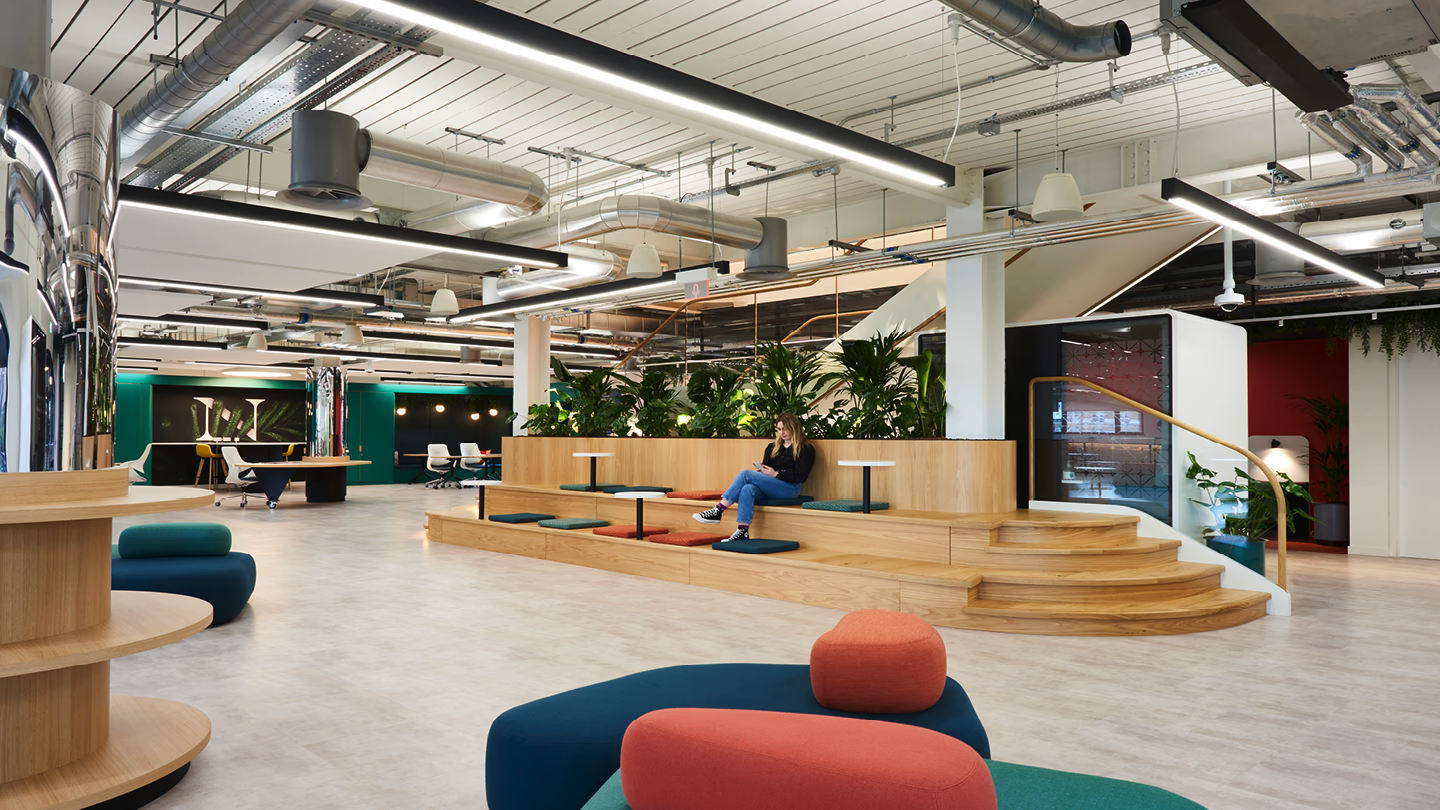
A sustainable workplace should look after the people inside it too. The World Green Building Council report, Health, Wellbeing & Productivity in Offices, draws a clear line between office design, wellbeing and business performance, with natural light, air quality, thermal comfort and acoustics all shaping how a space feels to work in.
Daylight, cleaner air, acoustic comfort and a bit of greenery all add up to a healthier experience. And there’s a growing link to talent, too: Deloitte’s Gen Z and Millennial Survey shows environmental sustainability still weighs on how younger generations size up employers and make career decisions. Sustainability isn’t only an environmental question. It’s a people one.
Measure Performance Beyond Practical Completion
Here’s the bit that’s easy to skip: measurement. Plenty of organisations pour effort into sustainability without ever deciding how they’ll judge success. Keep an eye on things like:
- Energy consumption
- Waste reduction
- Occupancy patterns
- Employee satisfaction
- Maintenance requirements
…and you’ll know whether your workplace is actually delivering against its objectives. What gets measured gets managed.
Sustainable Design Is Good Business
There’s growing recognition that sustainability and commercial performance aren’t competing priorities. Plenty of the decisions that cut environmental impact improve the bottom line too. Retaining existing assets trims capital spend. Efficient systems lower running costs. Flexible workplaces reduce the need for future refits.
The strongest projects spot that overlap and use sustainability as a framework for making smarter, longer-term decisions.
Building Workplaces for the Future
Sustainable office design has outgrown its niche. It’s no longer reserved for the most environmentally driven organisations - it’s becoming a fundamental part of creating workplaces that work for businesses, people and the wider environment.
Prioritise reuse, cut embodied carbon, sharpen efficiency and design for change, and you’ll create a workplace that delivers lasting value while treading more lightly. The future of workplace design isn’t simply greener. It’s smarter, more adaptable and built to stand the test of time.