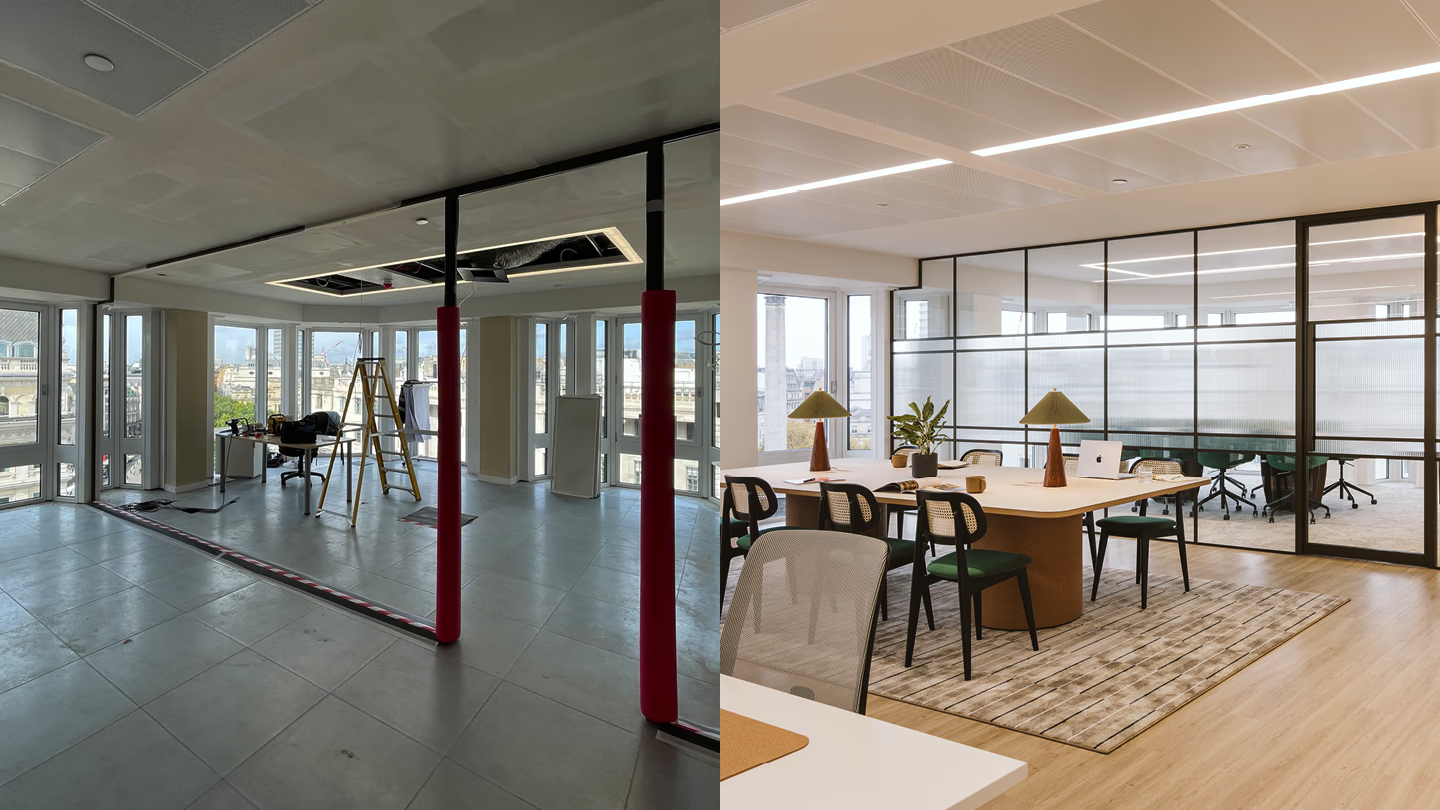
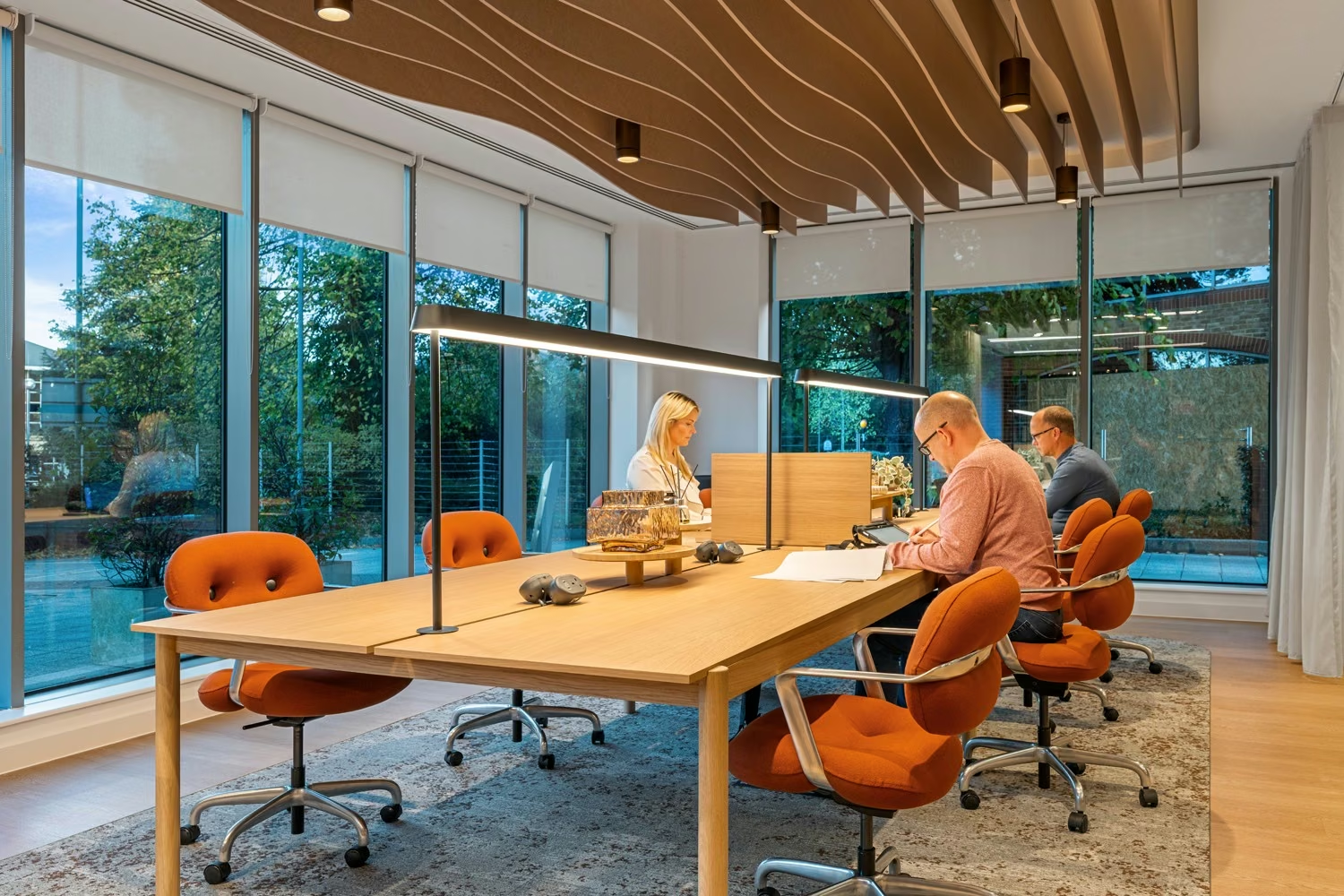
Your office is full. Your attendance targets are being met. But is your workplace actually delivering?
Businesses are investing in office redesigns, reducing desk numbers and introducing return-to-office policies. Yet how many of these decisions are based on evidence of how people actually work?
With 74% of UK organisations operating hybrid working arrangements, according to the CIPD's 2025 research, understanding how workplaces perform has never been more important.
The real cost isn't an underused office. It's investing in a workplace that isn't delivering what your business needs.
A Full Office Doesn't Guarantee a High-Performing Business
Higher office attendance doesn't automatically mean better business performance. Before introducing attendance requirements, businesses need to establish what bringing people together should achieve. Faster decision-making, stronger collaboration, knowledge sharing and talent development all contribute to business performance, but simply having more employees in the office won't guarantee these outcomes.
The commercial opportunity lies in making time together more purposeful. Coordinating team schedules, creating opportunities for mentoring and ensuring employees have access to the right people can improve how quickly knowledge is shared, problems are solved and decisions are made.
This also challenges how businesses measure productivity. An experienced employee spending time developing junior colleagues might produce less individual output that day, but their contribution could strengthen team capability, reduce reliance on senior resources over time and improve long-term performance.
“Working remotely can help us complete today's work. Being together can help us shape tomorrow's.”
For business leaders, the priority should be clear: define the outcomes you want from bringing people together, then align working patterns, leadership behaviours and workplace strategy around achieving them.
Defining what success looks like is only the starting point. Businesses also need reliable evidence of how their workplaces are actually being used.
Are Businesses Making Workplace Decisions Using the Wrong Data?
Poor workplace data can lead to expensive decisions, unnecessary investment and space that fails to deliver.
Attendance figures and desk bookings provide a limited picture of workplace performance. They don't reveal how effectively space is being used, where demand is concentrated or whether existing facilities are meeting business needs.
For organisations considering relocation, reducing their footprint or investing in a redesign, this creates a significant commercial risk. Decisions based on average attendance or assumed demand can result in unnecessary expenditure, underutilised space or insufficient capacity when it's needed most.
Our own research demonstrates why.
In a recent workplace utilisation study, we found that 77% of observed meeting-space use involved just one or two people, with half involving a single person.
This challenges the assumption that high meeting-room demand automatically justifies additional meeting facilities. The more commercially effective solution could be to reconfigure existing space, introduce smaller meeting settings or improve access to private working areas, potentially avoiding unnecessary capital expenditure.
Through our workplace utilisation studies, we combine physical observations, employee feedback and occupancy data to identify where space is delivering value and where it could work harder.
These insights give businesses the evidence to make informed decisions about their property investment, from optimising existing floorplates and improving space efficiency to identifying where targeted improvements could deliver greater returns.
The greatest opportunity isn't always investing in more space. It's understanding how to get more value from the space you already have.
Stop Designing for Trends. Start Designing for People.
Businesses are investing in collaborative spaces, reducing desk numbers and rethinking office layouts. But are these changes improving workplace performance, or simply responding to the latest trends?
The growing emphasis on collaboration has influenced workplace design, but that doesn't mean employees no longer need spaces for individual work.
Research from Leesman's 2025 Focus Forward report found that 89% of surveyed employees considered individual desk-based focused work important, while 74% considered planned meetings important.
Employees move between focused work, meetings, confidential conversations and informal interactions throughout the day. A workplace that prioritises one activity at the expense of another risks reducing productivity rather than improving it.
Investing in more collaborative space doesn't automatically improve collaboration.
The value comes from creating the right balance of work settings to support productivity, employee experience and business performance.
For businesses, this means understanding which activities their workplace needs to support before committing to changes. Smaller meeting rooms, improved acoustic privacy, adaptable project spaces or better use of existing furniture may deliver greater value than a complete redesign.
But physical design is only part of the equation. A collaboration area won't automatically encourage collaboration. Leadership behaviours, team schedules and workplace culture all influence how successfully a space is used.
Good workplace design makes productive behaviours easier. But it doesn't create them in isolation.
The Real Measure of Workplace Success
For businesses reviewing their workplace strategy, the starting point should be three questions:
- Business Value: Is bringing people together delivering measurable benefits through stronger collaboration, faster decision-making and better business performance?
- Investment: Are our workplace decisions backed by evidence that helps us optimise space, reduce unnecessary costs and maximise return on investment?
- Performance: Is our workplace supporting the activities that matter most, improving productivity and delivering long-term value to the business?
Hybrid working isn't necessarily the problem. The greater risk is making workplace decisions without understanding how people work, what brings them together and what their environment needs to deliver.
Getting this right means making more informed investments and creating workplaces that actively support business performance.
Because a successful workplace isn't measured by how many people walk through the door. It's measured by what becomes possible when they're there.